

THROUGH THE LENS OF EBEN BOLTER: EXPLORING CINEMATOGRAPHY’S FUTURE IN TECHNOLOGY AND STORYTELLING
Project by Niccolò Lapo Latini
EBEN BOLTER, Atlanta, 7th June 2025 // Shooting the pilot of Cape Fear for Apple out in Georgia alongside his crew // In the quiet refuge of his apartment, caught between flights, he reflects on the pivotal strides of his journey and contemplates the unfolding horizon of cinematography’s future.
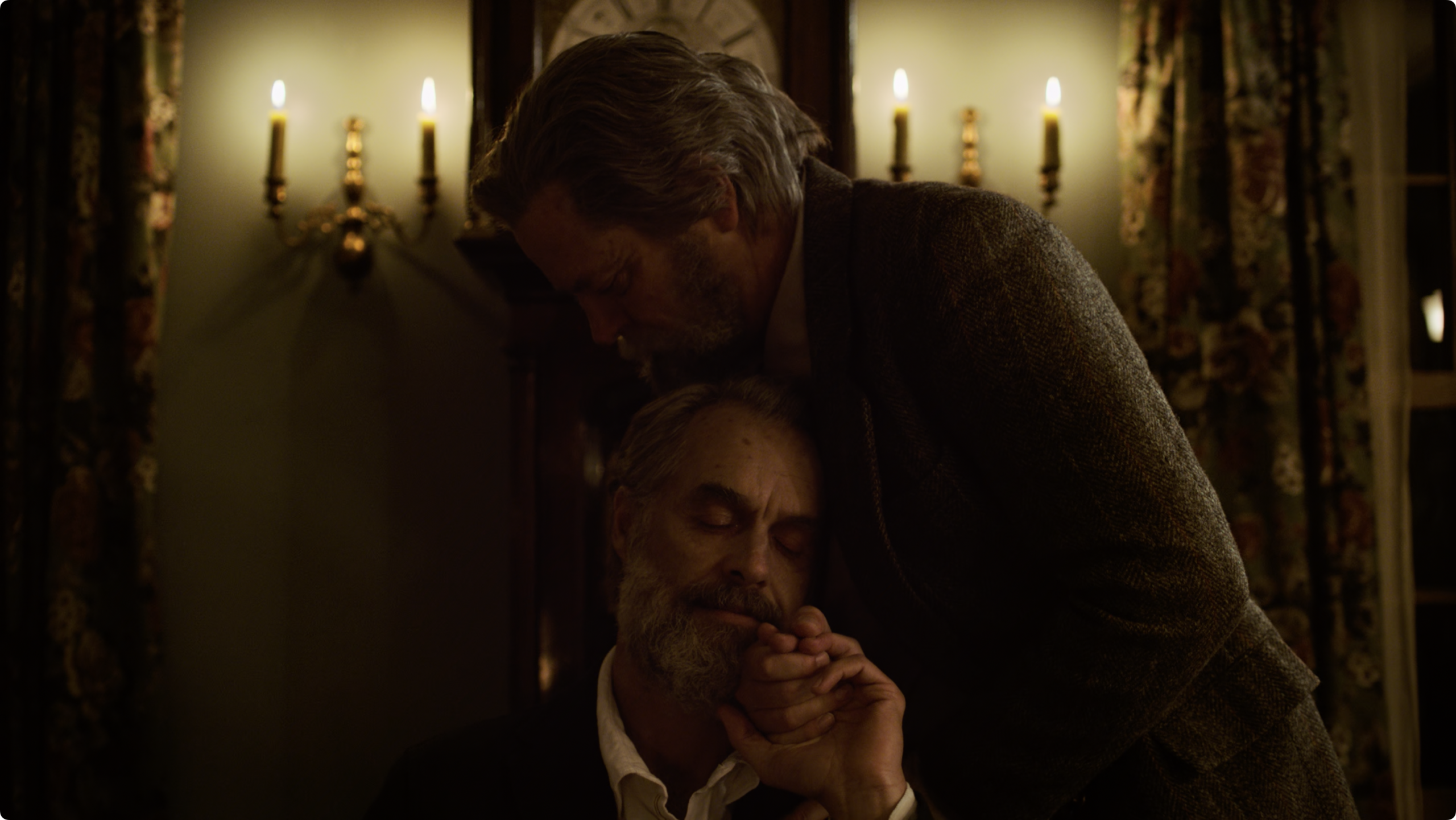
Eben Bolter’s journey through the world of cinematography is a delicate dance between tradition and innovation, a bridge between the intimate shadows of European film and the sprawling canvas of Hollywood storytelling. His lens has captured haunting beauty in projects like The Last of Us and The Life of Chuck, where light becomes a language and every frame breathes with emotional truth. Yet, behind this artistry lies a keen awareness of the evolving nature of cinema—where technology, from CGI to AI, whispers promises of new horizons while challenging the very essence of the craft. In our conversation, Bolter unfolds his thoughts on the fragile, often complex partnership between director and director of photography—a relationship built on trust, vision, and occasional tension. He reflects too on the contrasts of filmmaking cultures, where Europe’s reverence for balance meets Hollywood’s unyielding demands. Poised at the crossroads of past and future, Bolter’s work and insights invite us to ponder how the soul of cinema endures amid the glow of advancing technology.
The Life of Chuck.
Your career has seen an incredible evolution, from early short films to major projects like The Last of Us. What was the turning point in your journey when you realized cinematography was going to be your path? Also, having worked as the DOP on various successful productions, is there a specific project that stands out for you as a milestone or something that profoundly impacted your professional growth?
I grew up loving movies, but living in a small town on the south coast of England and with no connection to the film industry, I never dreamed I’d have the opportunity to ever make one. My dad worked in computing, and my mother was a dancer, so I had technology and art in my family and was always interested in both, but I really had no idea what I wanted to do yet. I did ok at school and went to college then university to study business, but I still hadn’t found a way to connect my love of movies with a career. I imagined maybe I could work for a sales and distribution company that acquired movies, or perhaps work in the offices of a cinema chain. This indecision led me to go live in Japan for a couple of years while I tried to find my way, and while there I fell in love with still photography. This new hobby led to a better understanding of the cinematography of films, and I started to realize that the role of a cinematographer might be something I had a natural affinity for. I moved back to London and started shooting short films, learning everything I could about cinematography from books and BTS documentaries, and shooting at every opportunity I could get, no matter the content. After years of shooting short films, I started to get my first feature films and then an agent. I would say getting my first agent was the milestone when I had graduated to a professional cinematographer, even though I knew I had a very long way still to go to satisfy my own ambitions.
In 2016, you were recognized as a “BAFTA Breakthrough Brit” for your work on Chicken. Additionally, in 2023, you were named a member of the American Society of Cinematographers (ASC). How did these recognitions affect your approach to work, and what new professional opportunities did they bring your way?
Yeah, it’s true, these were both really big moments for me. Chicken was such a beautiful project to be a part of — we made it on a shoestring with a group of friends, and the response from audiences and critics was wonderful to be a part of. I remember Mark Kermode said my name during his review on the radio, and it stopped me in the street. Being recognized for the Breakthrough Brit Award from BAFTA was a huge honour for me; it gave me a glimpse into that side of the industry and definitely opened doors. The ASC was a whole other level. It’s an institution of such incredible history and prestige, and I still can’t quite believe I was invited for membership.
Courtesy HBO – The Last of Us.
Let’s talk about your experience with The Last of Us. The series has a unique aesthetic. How did you approach the project, considering its mix of drama and horror, and how did you work to achieve such an evocative visual texture? How did you balance the technical aspects of cinematography with the narrative needs, to create a product that was visually powerful yet emotionally engaging?
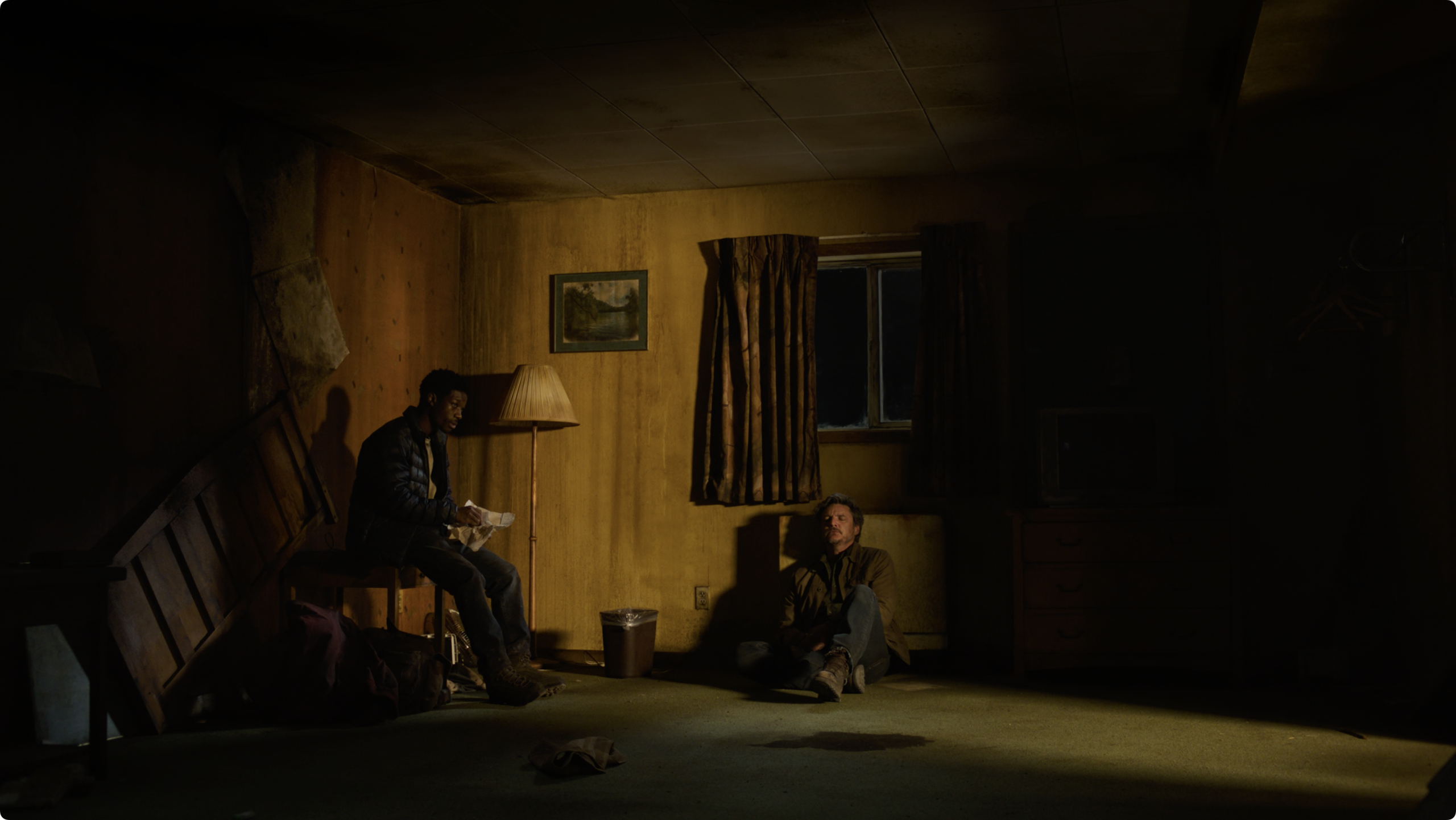
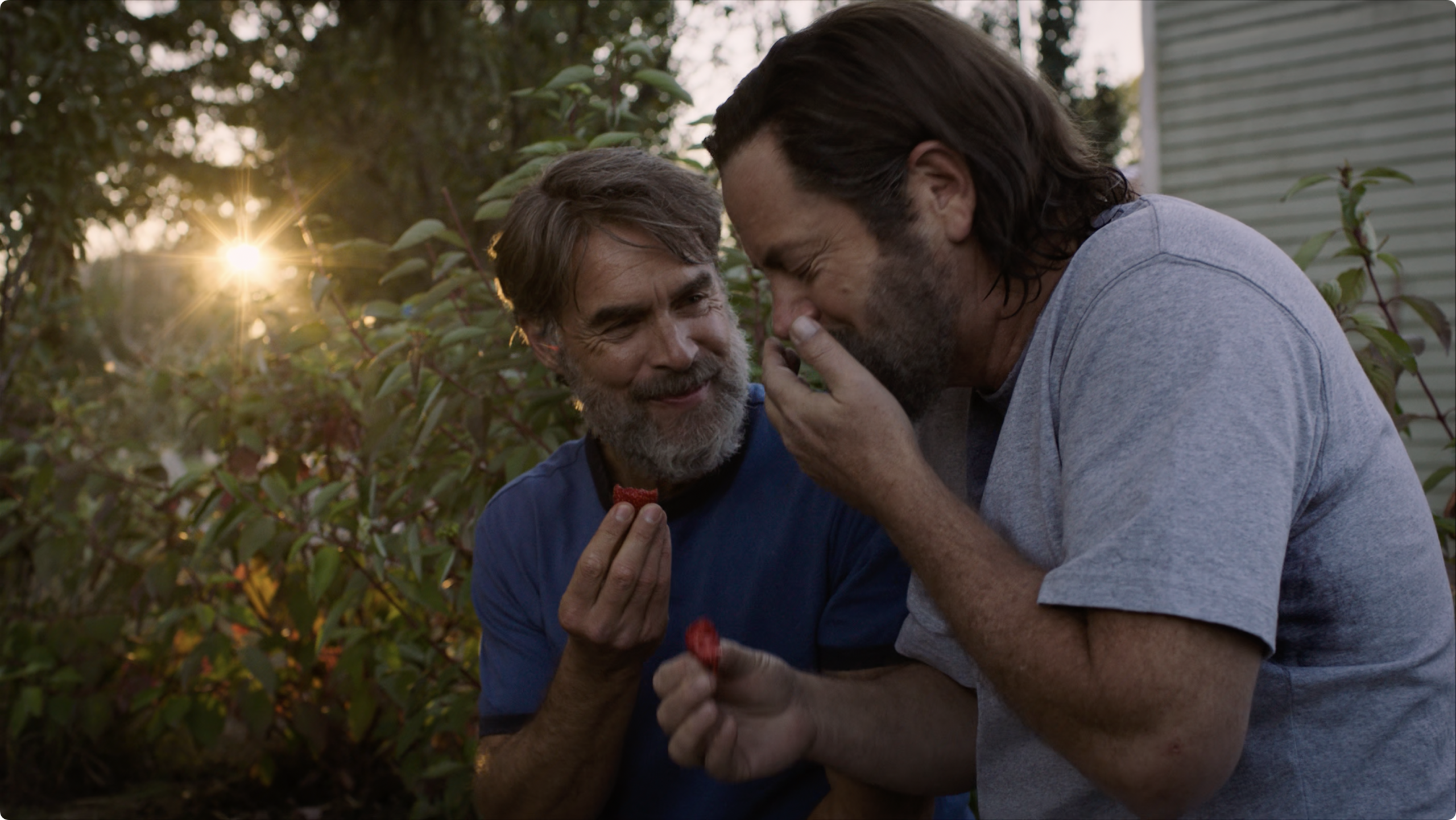
The Last of Us was a project very close to my heart. I played the game on launch day, and when the HBO adaptation was first announced, it was genuinely a dream project for me. The world of The Last of Us is full of pain, suffering, and horror, but also moments of great beauty. We felt the best approach visually was to ground the series as much as possible in a believable and naturalistic reality. I took great care to light my environments motivated by real sources, creating a naturalistic yet cinematic environment for our characters to interact with. It was very important to me to pick my moments for visual theatrics, such as the cul-de-sac Bloater sequence in episode 5, and also pick my moments to stay out of the way, creating an unobtrusive environment for actors in emotionally delicate scenes such as the piano scene in episode 3.
When working on a project like The Last of Us, which has such a massive fanbase and a preexisting visual identity from the video game, how much does that familiar visual heritage influence your decisions in telling the story?
It was something we talked about a lot. As mentioned, I was very familiar with the game, and there were many moments where we debated how closely to match shots or situations from the game. In the end, it usually came down to emotional truth. If the way a scene was performed meant that the best place for the camera to be was in a position matching the game, we wouldn’t deny that truth just to be different, but we also wouldn’t reach for a position to match the game if it didn’t make sense for the reality of a scene on set. It’s all about storytelling, and every decision we make on set relating to every aspect of the frame helps or hinders the telling of that story.
Many DOPs talk about the close relationship they share with the director. Can you tell us about a time when you had a vastly different “vision” from the director, and how you worked together to find common ground? Are there particular directors whose approach resonates more with your own artistic concept, and how does your relationship evolve from challenging moments to rewarding, empathetic collaborations?
The beautiful thing about filmmaking is it’s an ever-evolving art form. Technology changes, the world changes, the industry changes; every day on set there’s a world of possibilities and opportunities and none of us really know anything about the future — we just have the experience of our previous decisions and we do the best we can. There are directors I’ve worked with who are seemingly disorganized and chaotic on set, and the process can feel wildly inefficient and frustrating, but this doesn’t always mean an end product that doesn’t work. I’ve also had some wonderful, enjoyable experiences on set where it’s felt that we’re making something special, and the final product falls flat. There’s no single ‘right way’ to do anything, so it’s my job to give the director the best version of what they’re imagining, even if in the moment I don’t necessarily agree with the choices. I believe it’s my job to support, facilitate, and hopefully inspire the filmmaking process, as directing can be an incredibly difficult and isolating role on set.
Courtesy HBO – The Last of Us.
How do you approach the challenge of telling a story through light and image, while maintaining the emotional and narrative tone of the film or series? Have you ever experimented with any unconventional lighting techniques or equipment? Is there any specific technique you’ve worked with that has particularly satisfied you?
Every new project presents a blank canvas to start again and try something new, but I’m very careful to try to filter every decision through the story. What does the story require visually to best convey its messages? What do the genre, locations, time period, characters, and weather offer to create something unique without feeling like a gimmick or distracting? I’m currently shooting Cape Fear for Amblin and Apple over in Atlanta, Georgia, and the dripping wet summer heat, Spanish moss, and thunderstorms gave me a wonderful platform of opportunity to build from, and I’m excited by what we’ve been doing.
Throughout your career, you’ve worked with highly respected directors like Craig Mazin. What have you learned from each of these collaborations, and what distinguishes a good director from an excellent one, considering both the technical side of the production and the human relationship with the crew?
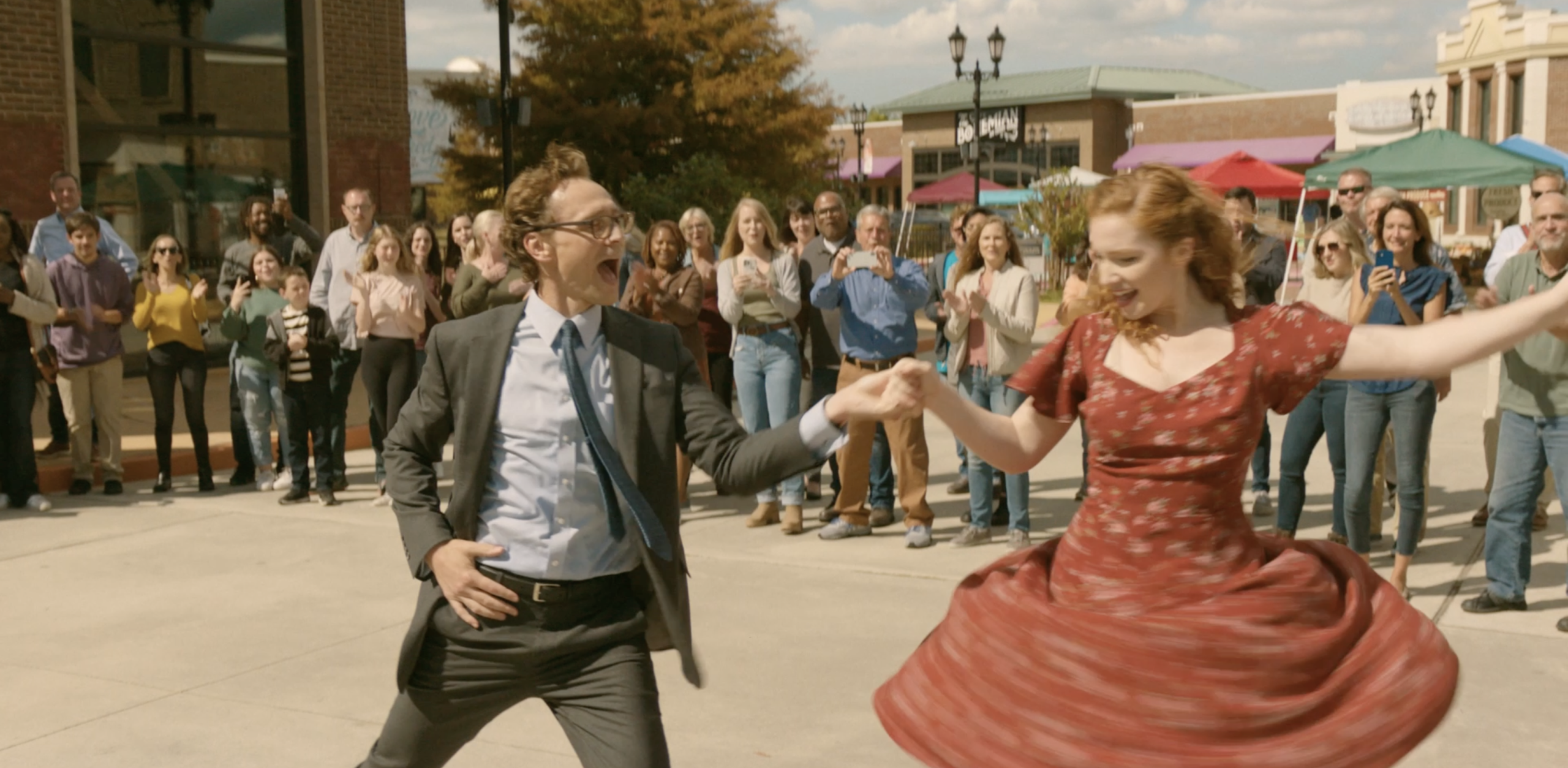
One thing I’ve learned, which I touched on earlier, is that often the on-set experience of a director doesn’t necessarily line up with the end product. Filmmaking is a verb, but it’s an activity that nobody but the crew and actors are actually a part of — it’s not like sport where the activity is experienced in real time, live. The finished film or TV series in the end is what matters. I’ve had some remarkable experiences on set and have been privileged to work on projects that have touched audiences. The Life of Chuck is my current release and it was a wonderful experience on set and a film I’m really proud of.
The DOP-director relationship is crucial. How would you define your role in the creation of a film, in relation to the director’s overall vision?
I believe it’s my job to be the director’s closest collaborator, to facilitate the best possible way to visually express the story using camera and lighting.
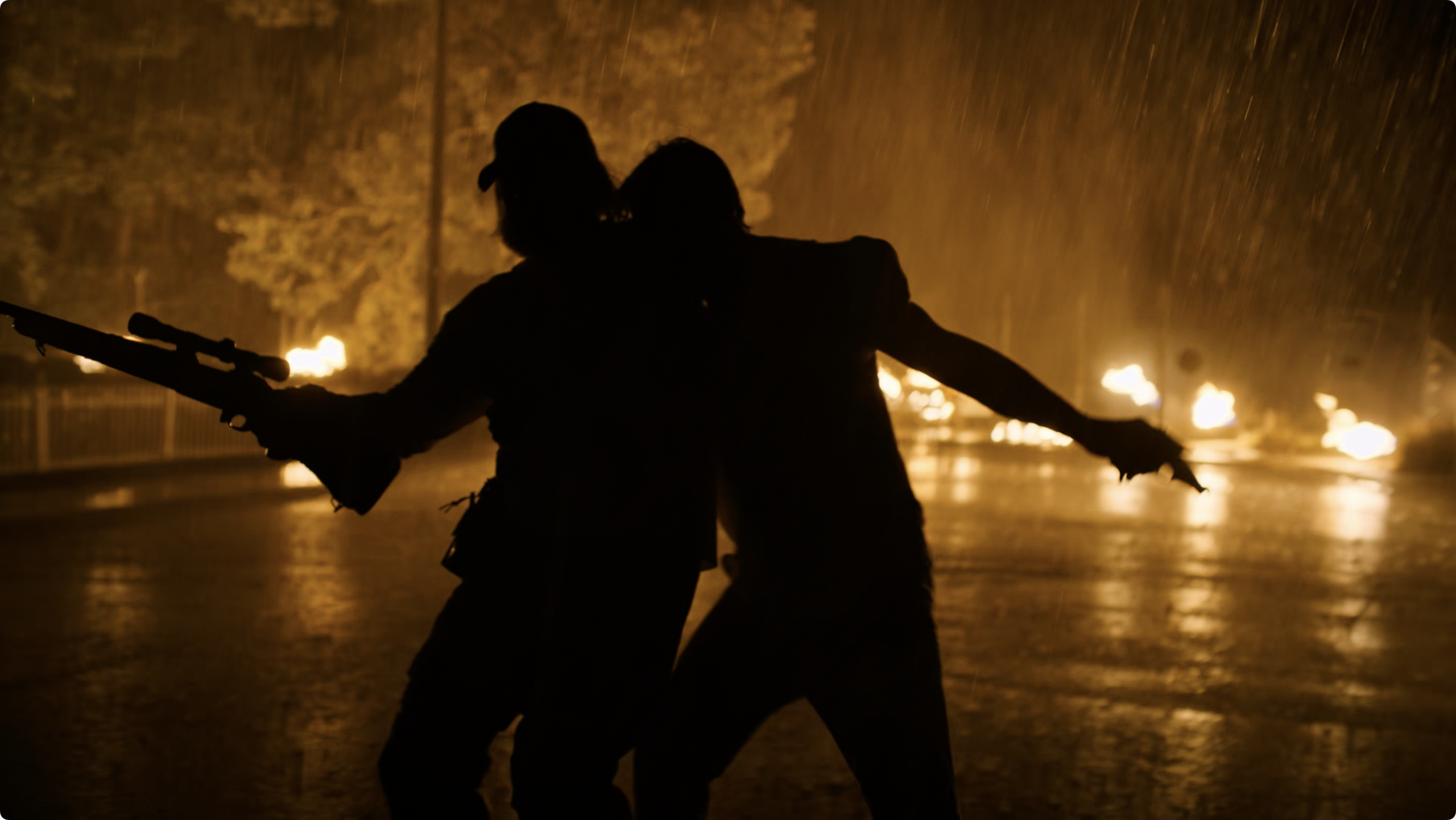
Courtesy HBO – The Last of Us.
Is there a director you dream of collaborating with in the future, perhaps on a project that is completely different from what you’ve worked on before? If so, what attracts you to their style and approach?
It’s such an exciting time in the industry with so many new voices coming through and producing incredible work. I’m lucky to have returning directors that I love working with come back to me time and again, such as Adam Randall, Peter Hoar, Amanda Marsalis, Mike Flanagan, and Lisa Bruhlmann. There are so many other great directors out there that I hope to get the chance to collaborate with — too many to name, really.
European cinematography has a strong tradition, but Hollywood offers a production scale and budget that can provide a different level of creative freedom. How would you describe the differences in the approach to cinematography between the two worlds? Hollywood offers vast resources, but it can sometimes feel like a “factory” for cinema. What has your personal experience working in Hollywood been like, and how free do you feel creatively compared to working in Europe?
I’m very fortunate to have dual US and UK citizenship, so I get to work on both sides of the pond. The US and UK have comparable skill levels these days, with so much work in the UK. The big difference for me is that in Europe there’s a much more reasonable focus on work-life balance, where 9 or 10 hour days with very little overtime are the norm, whereas in the US 14-16 hour days are common as the capitalist factory environment places the bottom line above all other factors. I believe the best work is created when crews are at their sharpest and most focused, and it’s very difficult to stay at your best when 6 hours of sleep is impossible. I believe the UK has shown it’s possible to create the highest quality work whilst also looking after the crew, and it’s a very strange situation in the US. I would encourage more productions to put crew welfare higher on their priority list, and for US crew to realise how abnormal a 14-hour workday is in the wider world.
Where do you see the future of cinematography, considering the evolution of technologies like VR, CGI, and AI?
It’s an incredibly interesting time in the world at the moment, with technology moving forward so quickly. I hope that artists will always be able to innovate in ways that AI can only help facilitate or emulate, and as filmmakers, hopefully we can smartly incorporate elements of AI to improve the quality and efficiency of filmmaking without taking away work from the artists who have innovated the art form for over a century.