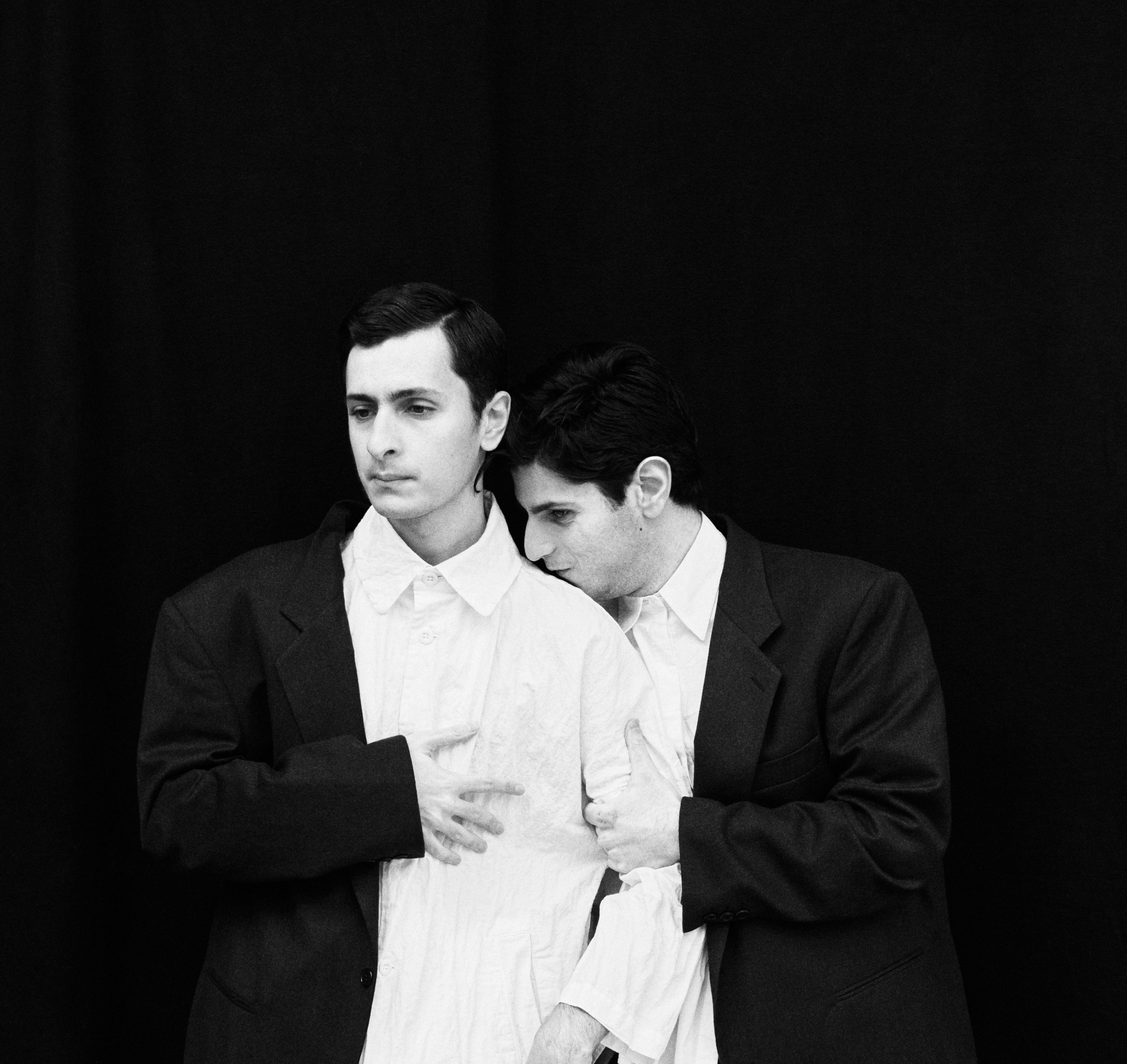
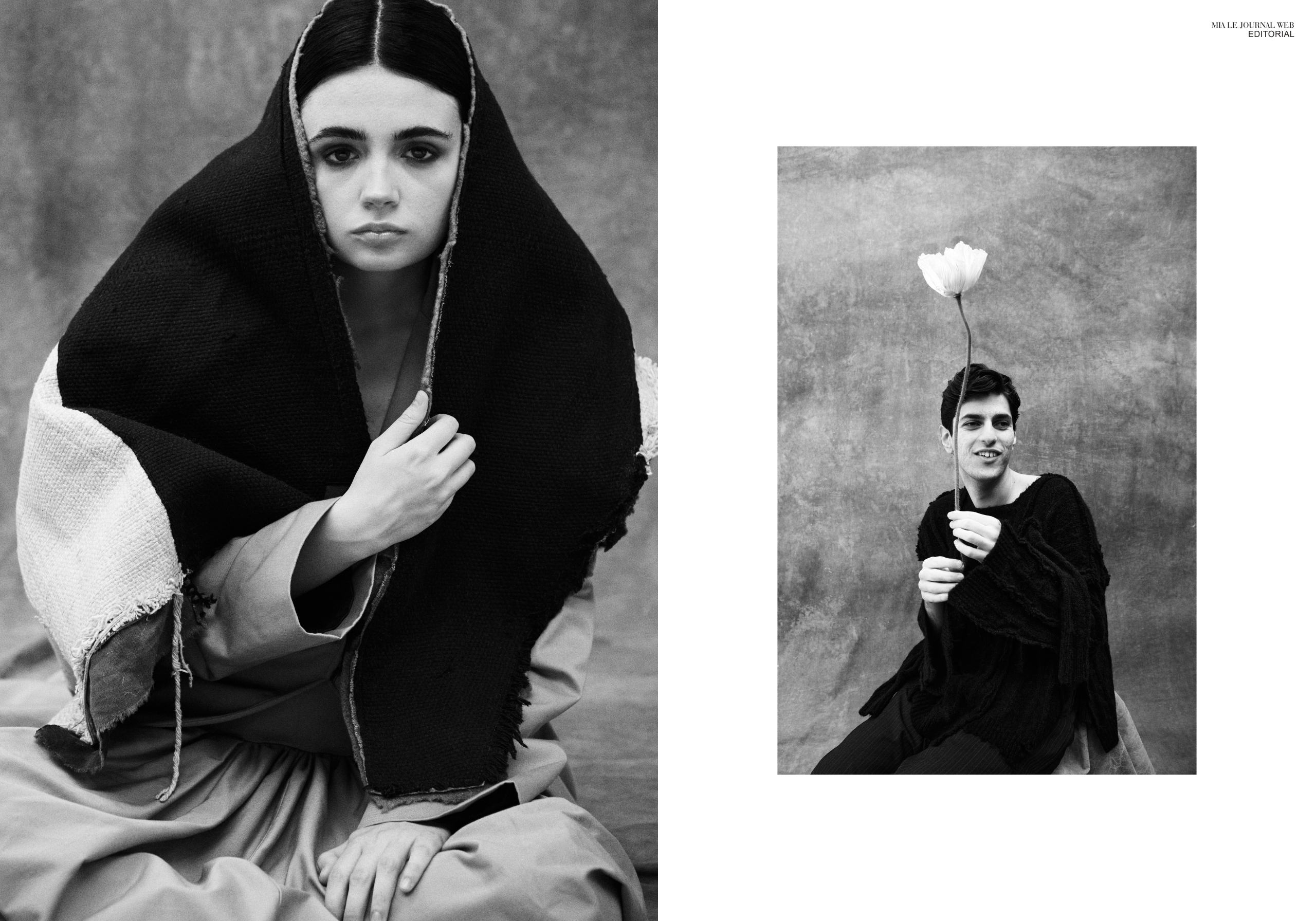
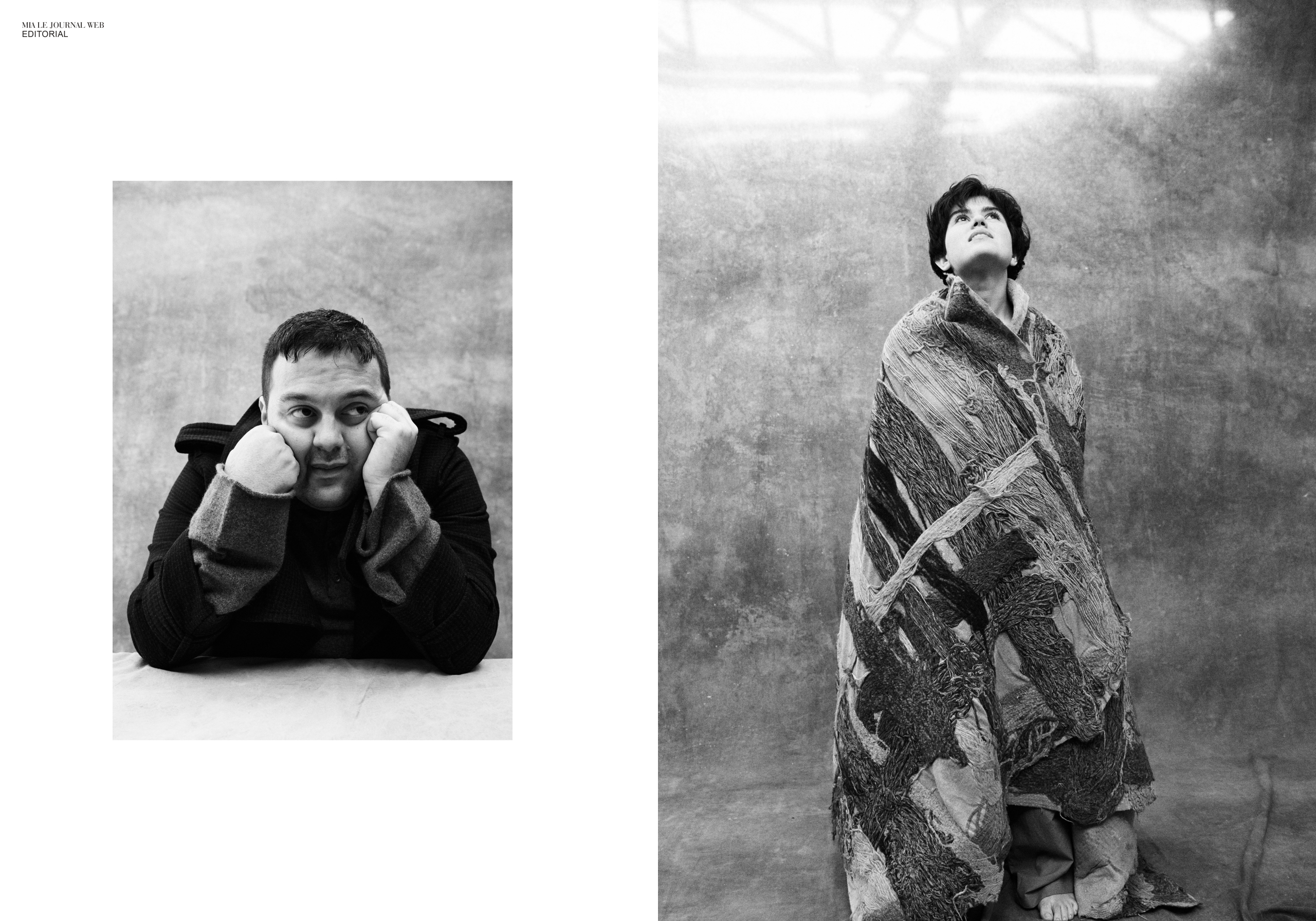
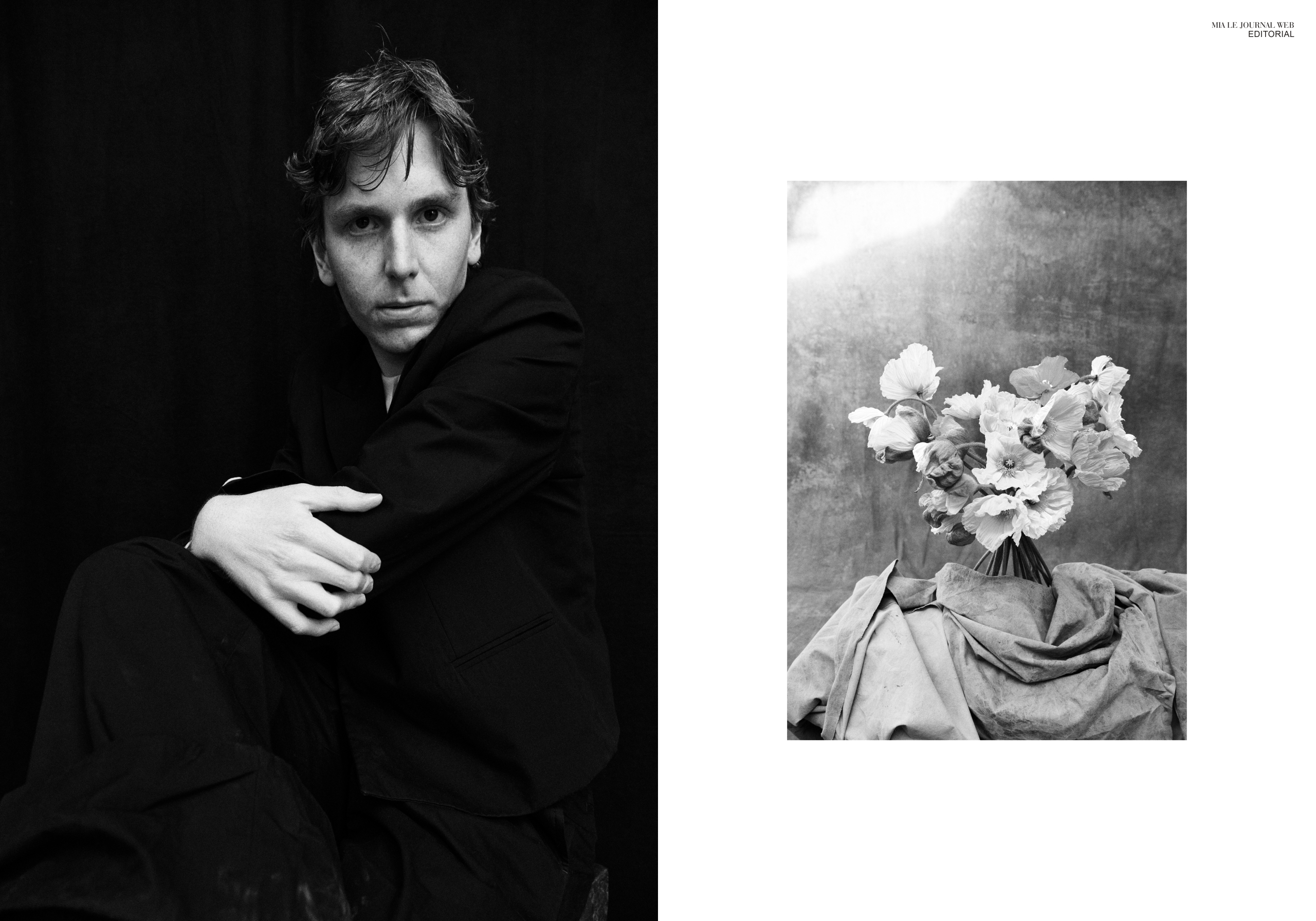
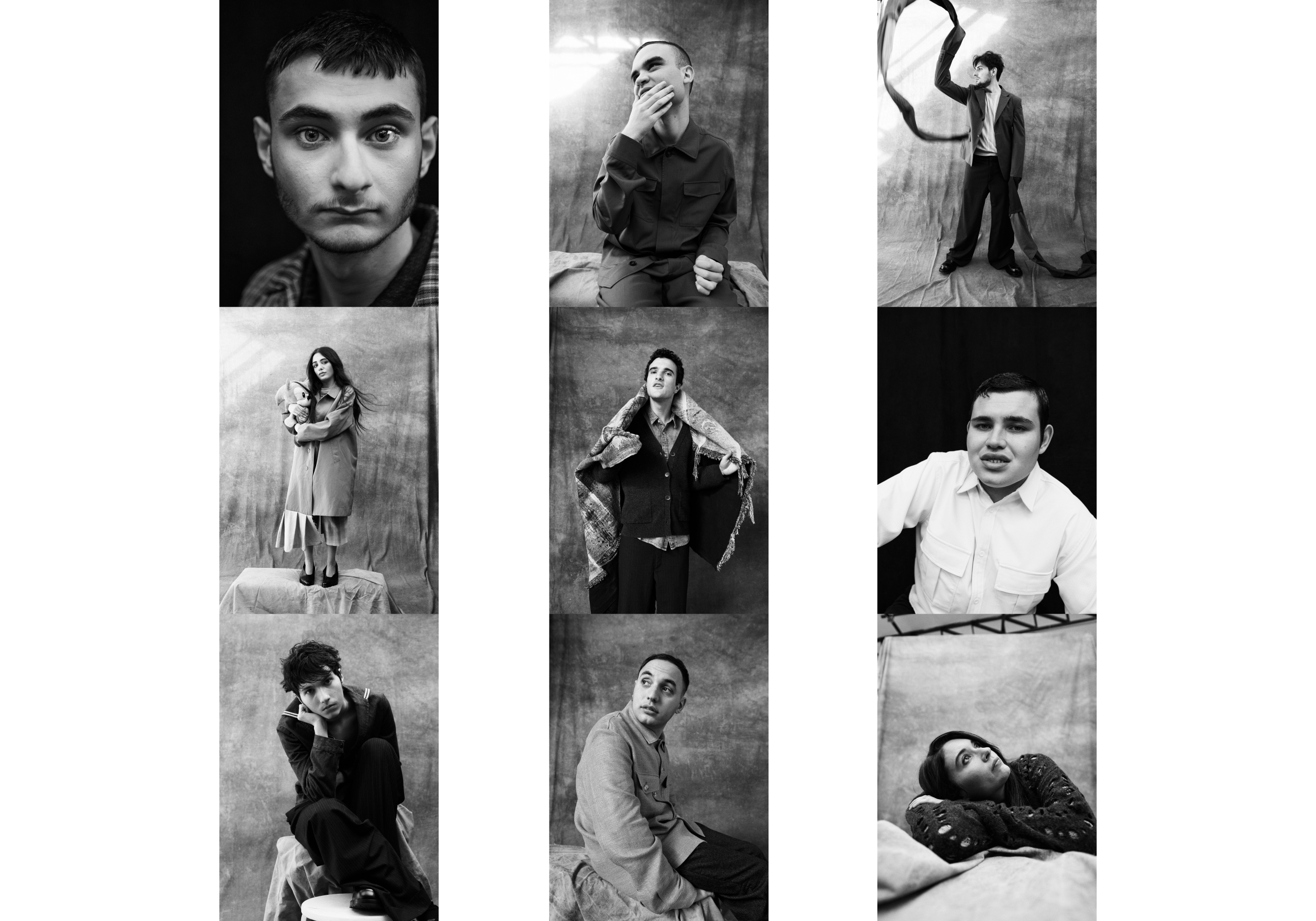
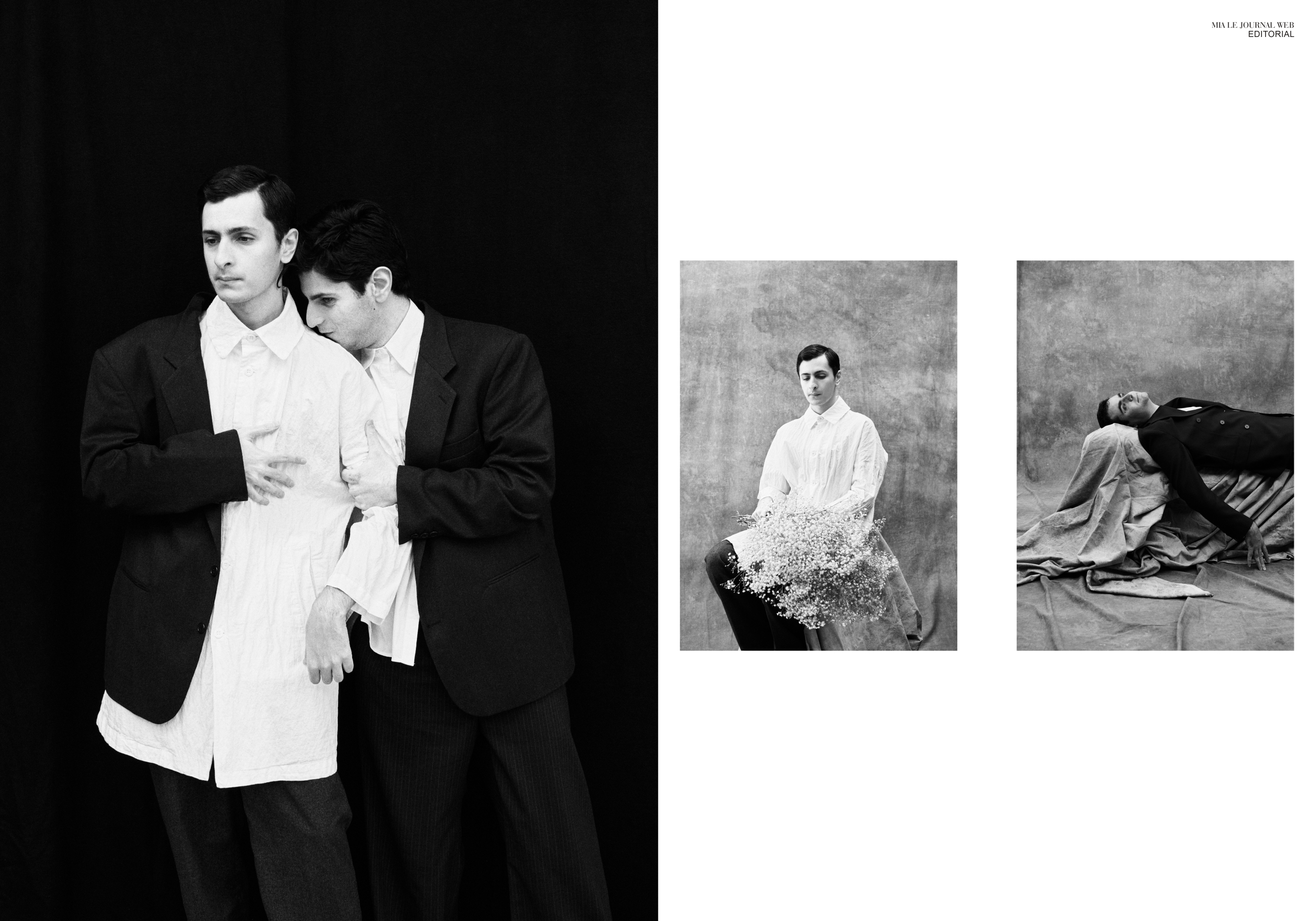
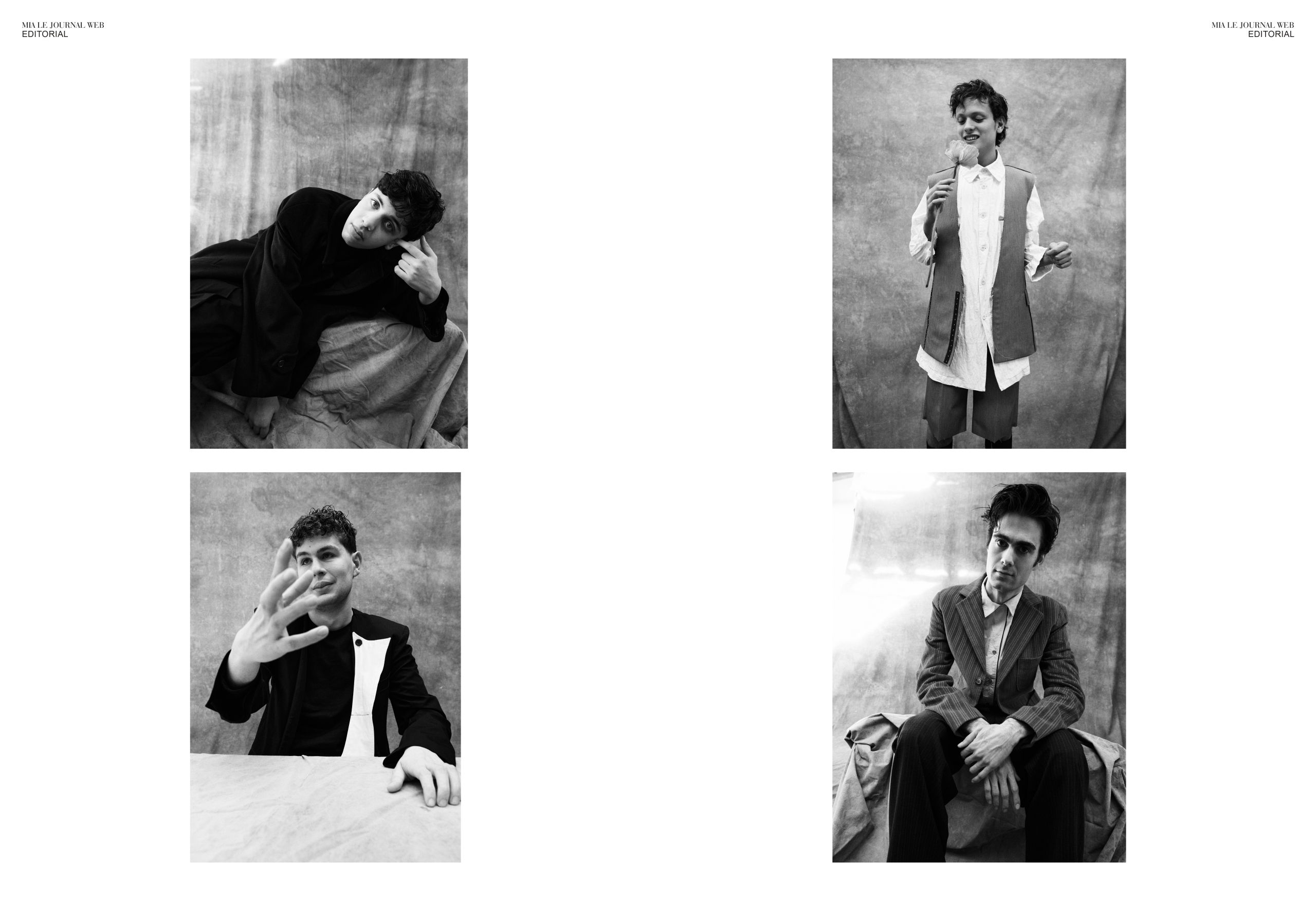
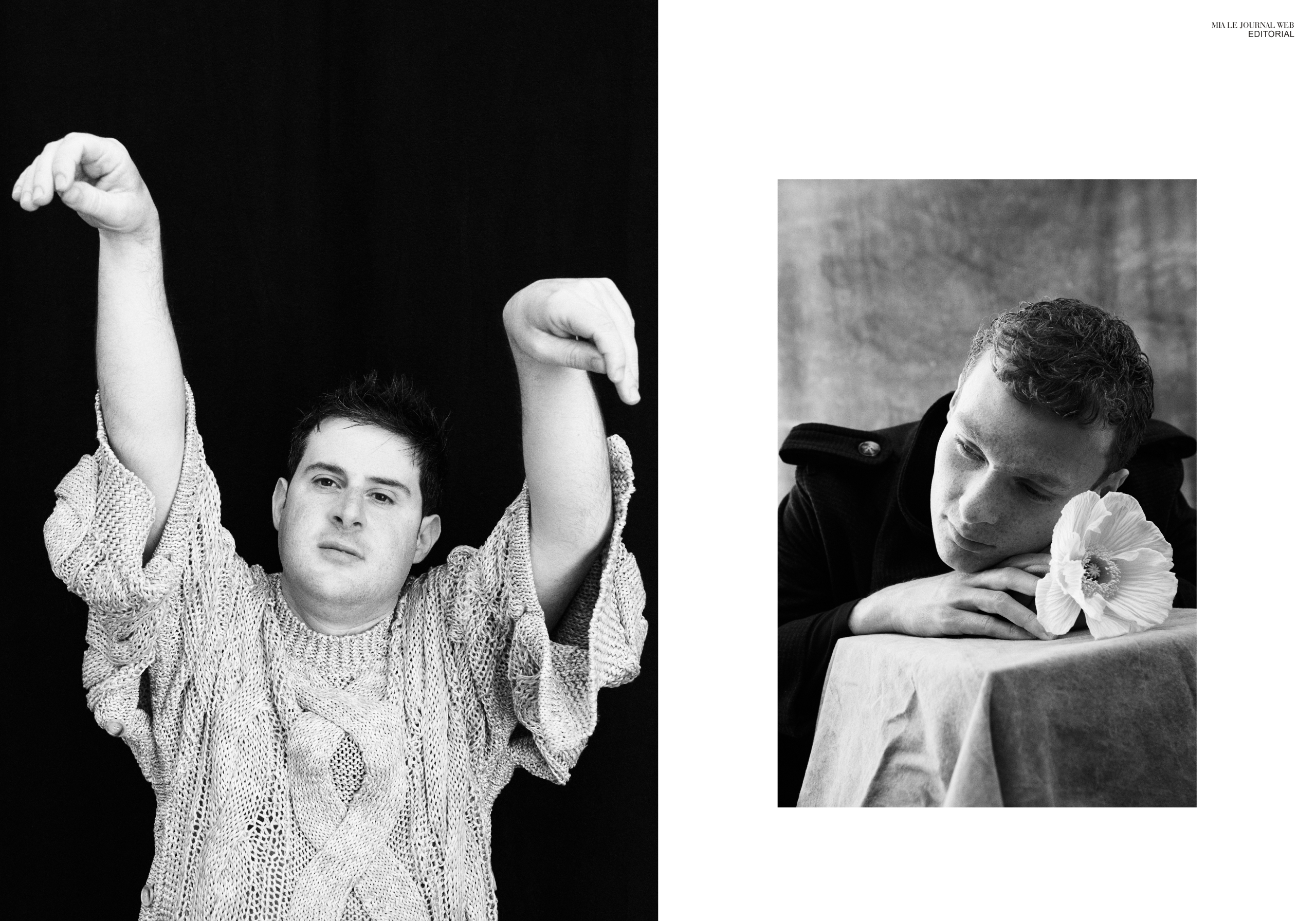
From April 1st to 19th, 2026, the spaces of Palazzo Braschi, in the heart of Rome, will host the photography exhibition “Don’t Stop Me Now”, a visual narrative created through a two-handed collaboration that celebrates energy, movement, and identity through the photographic lenses of FRANCESCO BRIGIDA, with the exhibition “Singular Flowers” and MARTIN MAE, with “Before Everything Becomes World.”
Looking at a photograph, a beautiful photograph, we quickly arrange within ourselves, and for ourselves, a set of certainties: codified sensations, prior knowledge, in short, the very structure of reality, or rather of the normality of reality. Although we are inundated with the most fantastical images, when faced with a photograph we still generally behave in this way. But when confronted with the series of photographs by Francesco Brigida, it becomes necessary to slow down the course of these certainties, of this so-called normality. In the sequence of portraits that make up Singular Flowers, there is a rich and deliberate history of photography: many framings, much light, and the chiaroscuro of great masters with whom the photographer weaves a dialogue. Yet there is also the history of painting, some images seem akin to a certain seventeenth-century Neapolitan painting, figures rendered without anecdote, without detail, without staging, allowing their essence to emerge through the delicate surface of the photograph itself. And it is precisely this essence that demands a longer time of observation. To arrive at the meaning of those young faces, those gestures, those gazes, that austere and reserved pride carried within each image, there was for Brigida no direct or brief path. As he himself says, he had to follow a very wide curve, because the speed at which we compel ourselves to live emotional reciprocity demands that it occur in a flash, or not at all. But not for these girls, for these boys. There is a gift they reserved for the photographer, one they challenged him to discover. A challenge taken up with delicacy, because in their gazes there was what they wished to tell, and they wished to do so through that slow approach, asking for time. Brigida says, “I am the first spectator of their story,” having chosen another meaning of the word “spectator”…
Text Michela Becchis