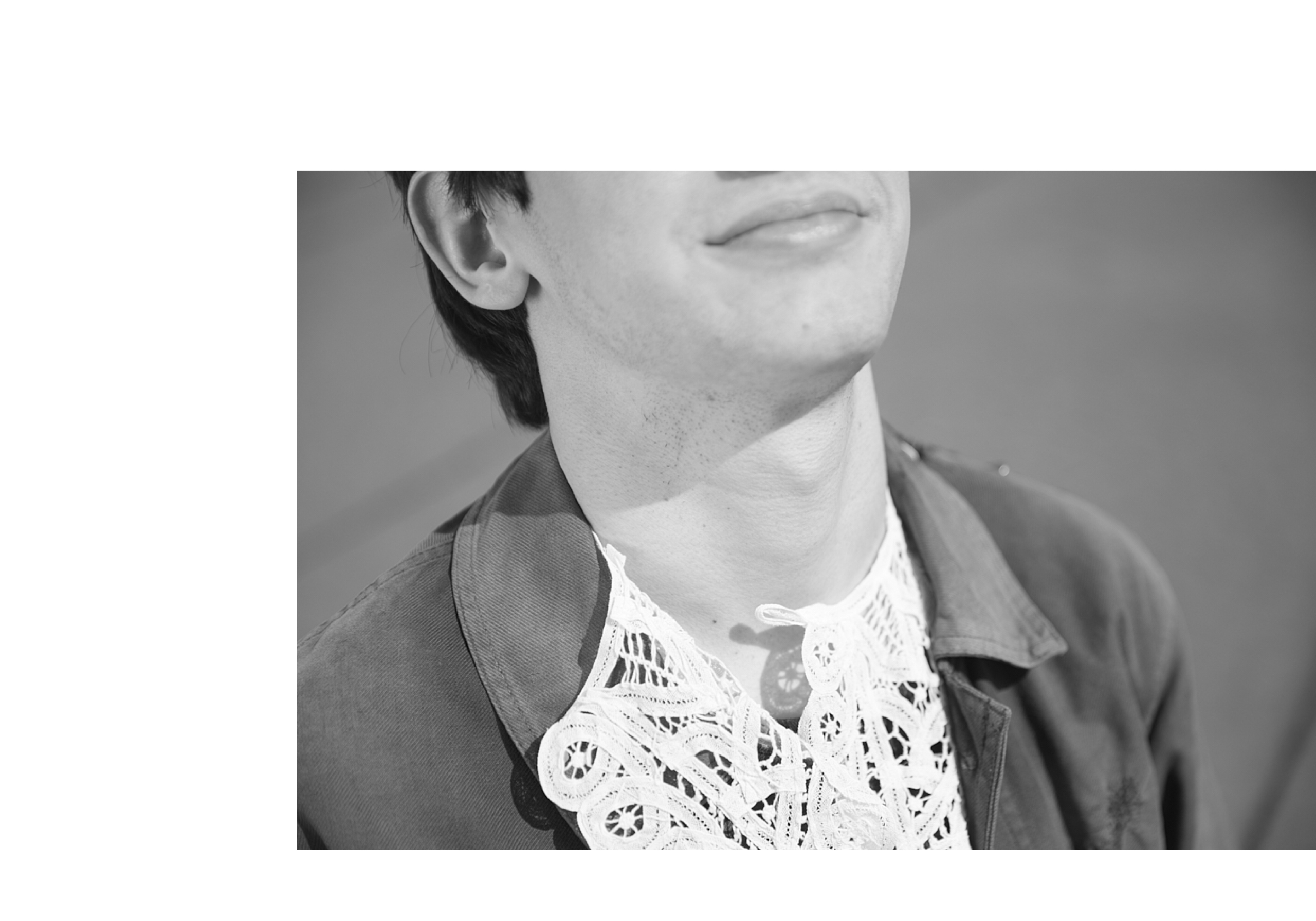
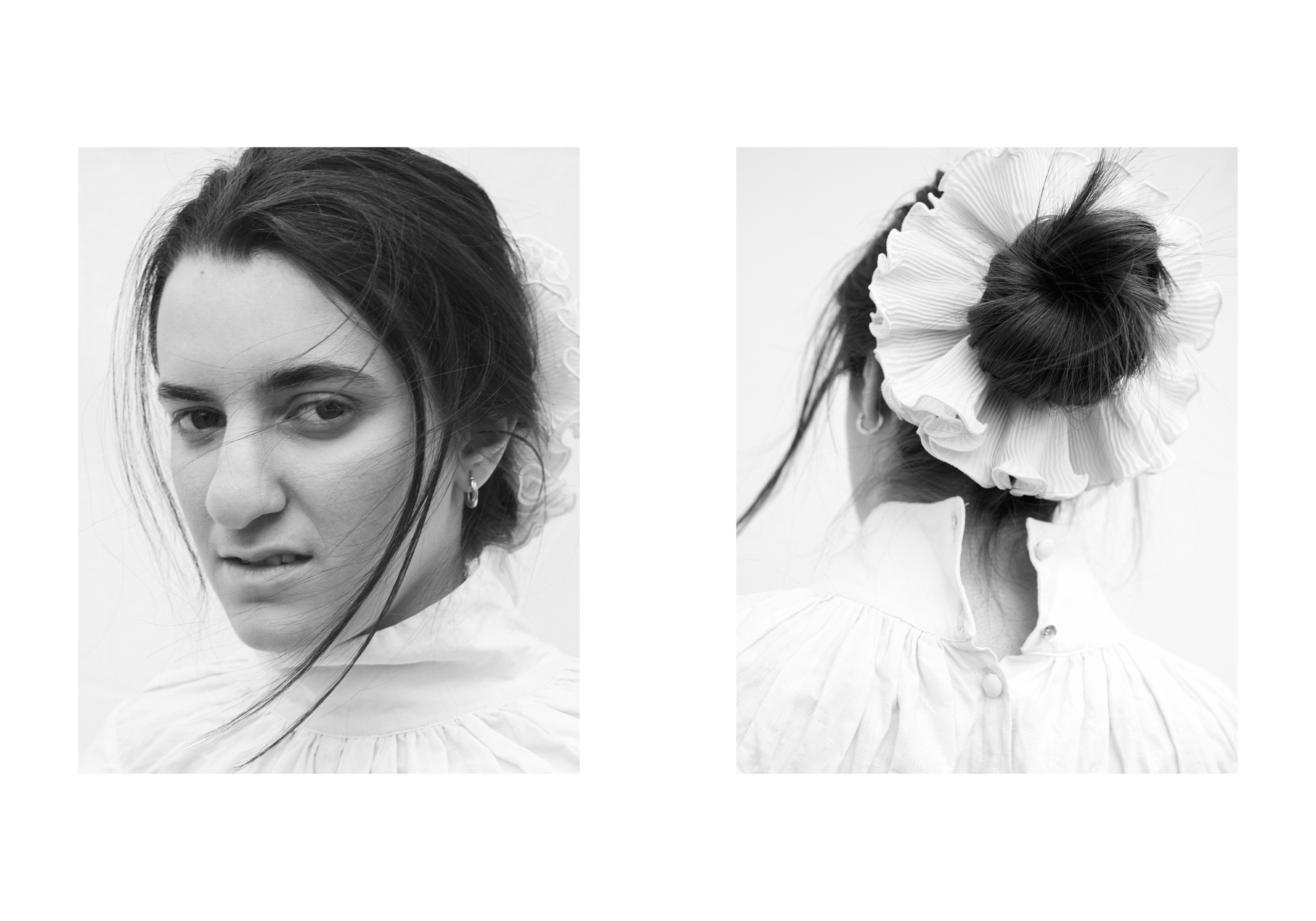
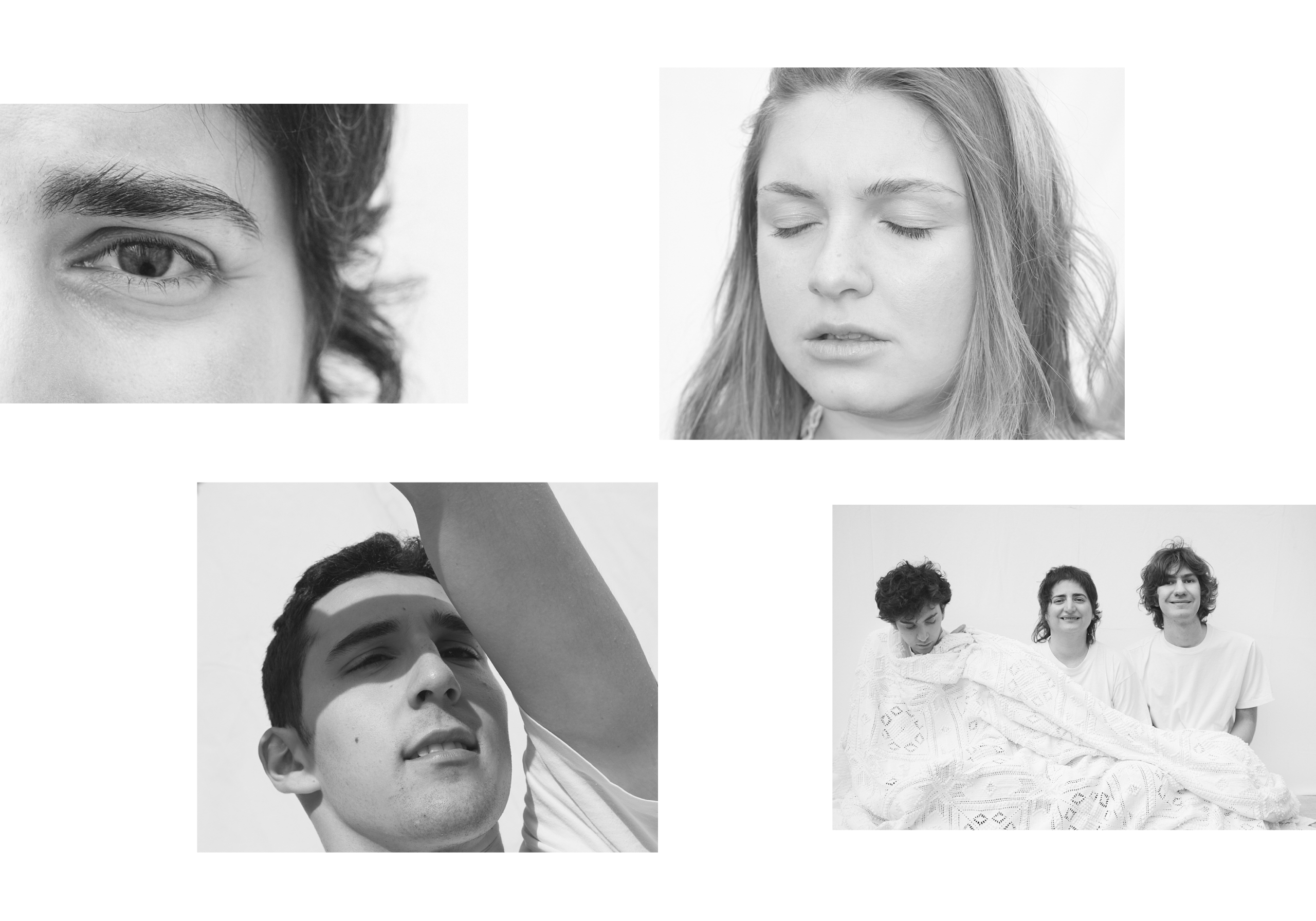
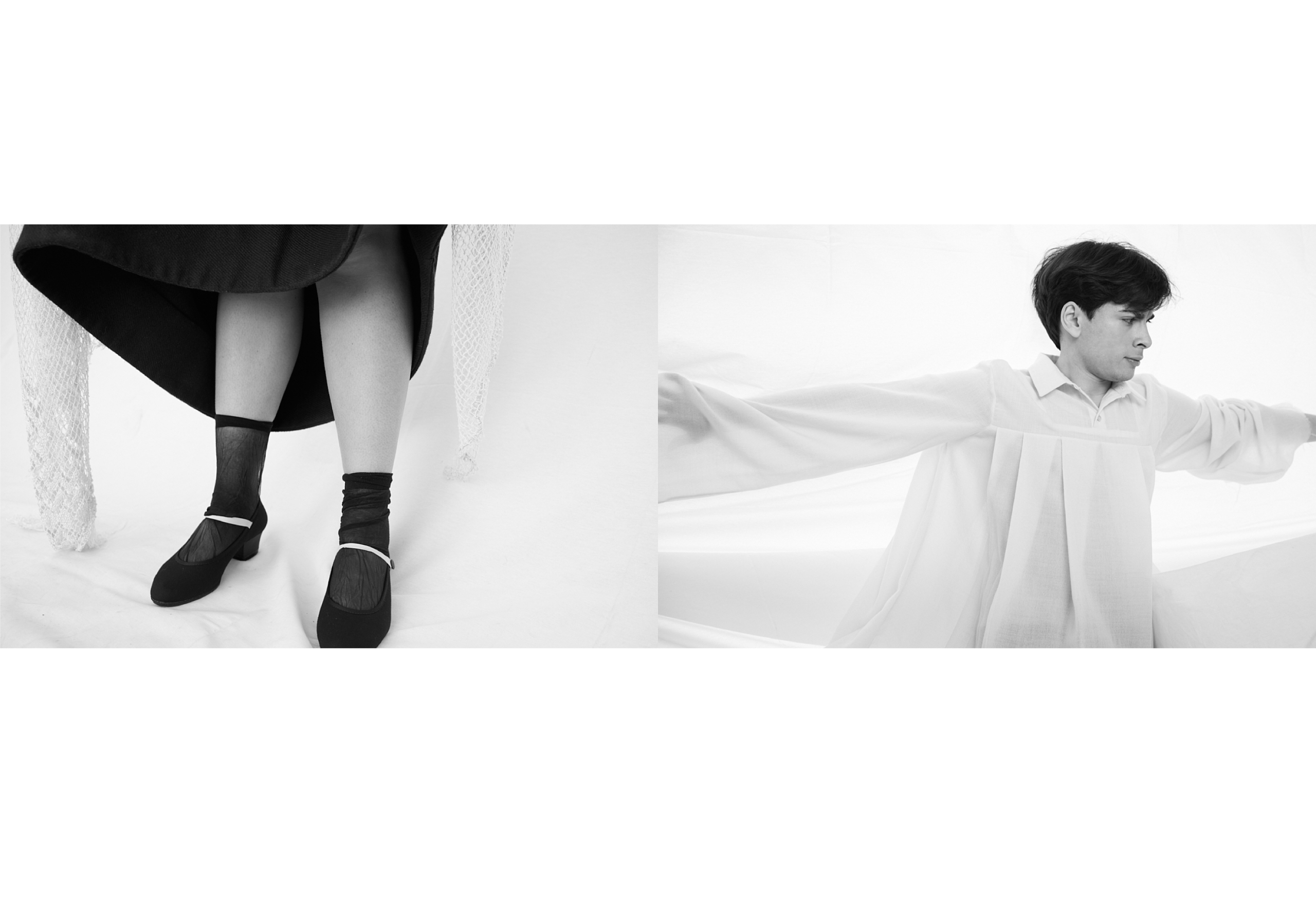
From April 1st to 19th, 2026, the spaces of Palazzo Braschi, in the heart of Rome, will host the photography exhibition “Don’t Stop Me Now”, a visual narrative created through a two-handed collaboration that celebrates energy, movement, and identity through the photographic lenses of FRANCESCO BRIGIDA, with the exhibition “Singular Flowers” and MARTIN MAE, with “Before Everything Becomes World.”
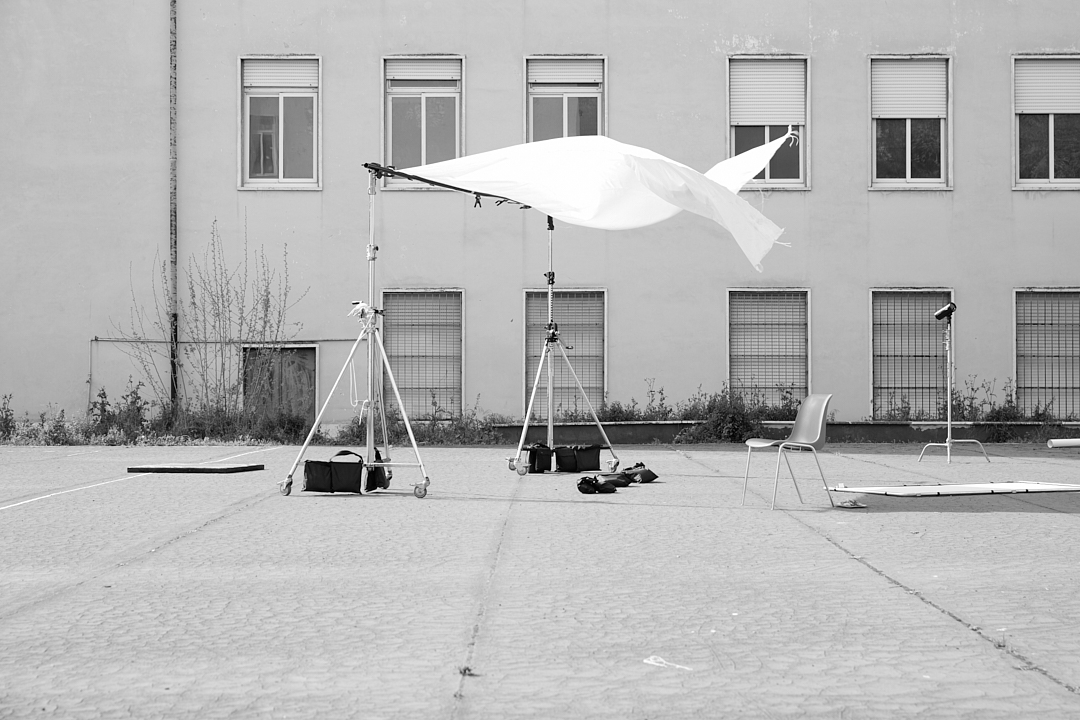
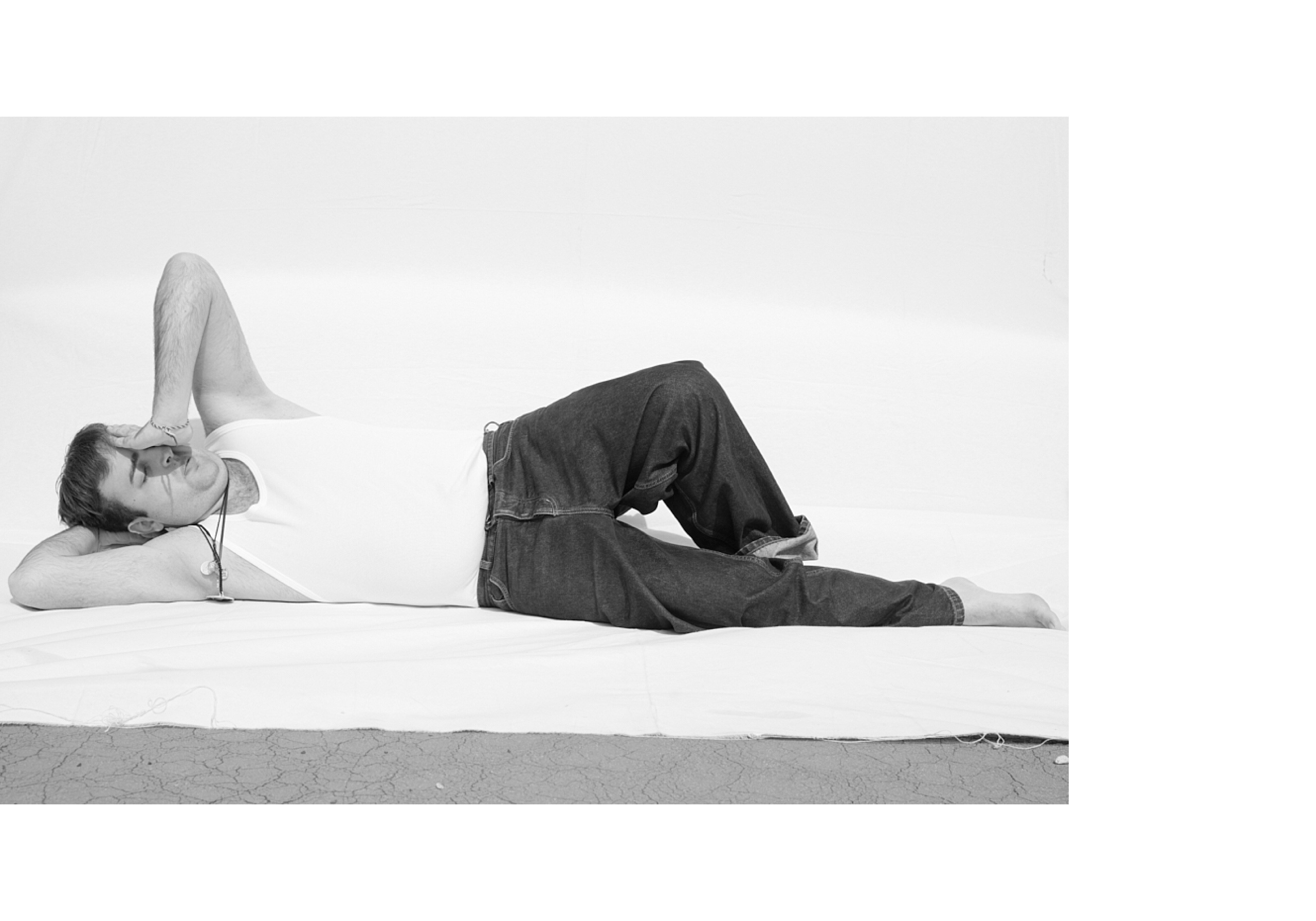
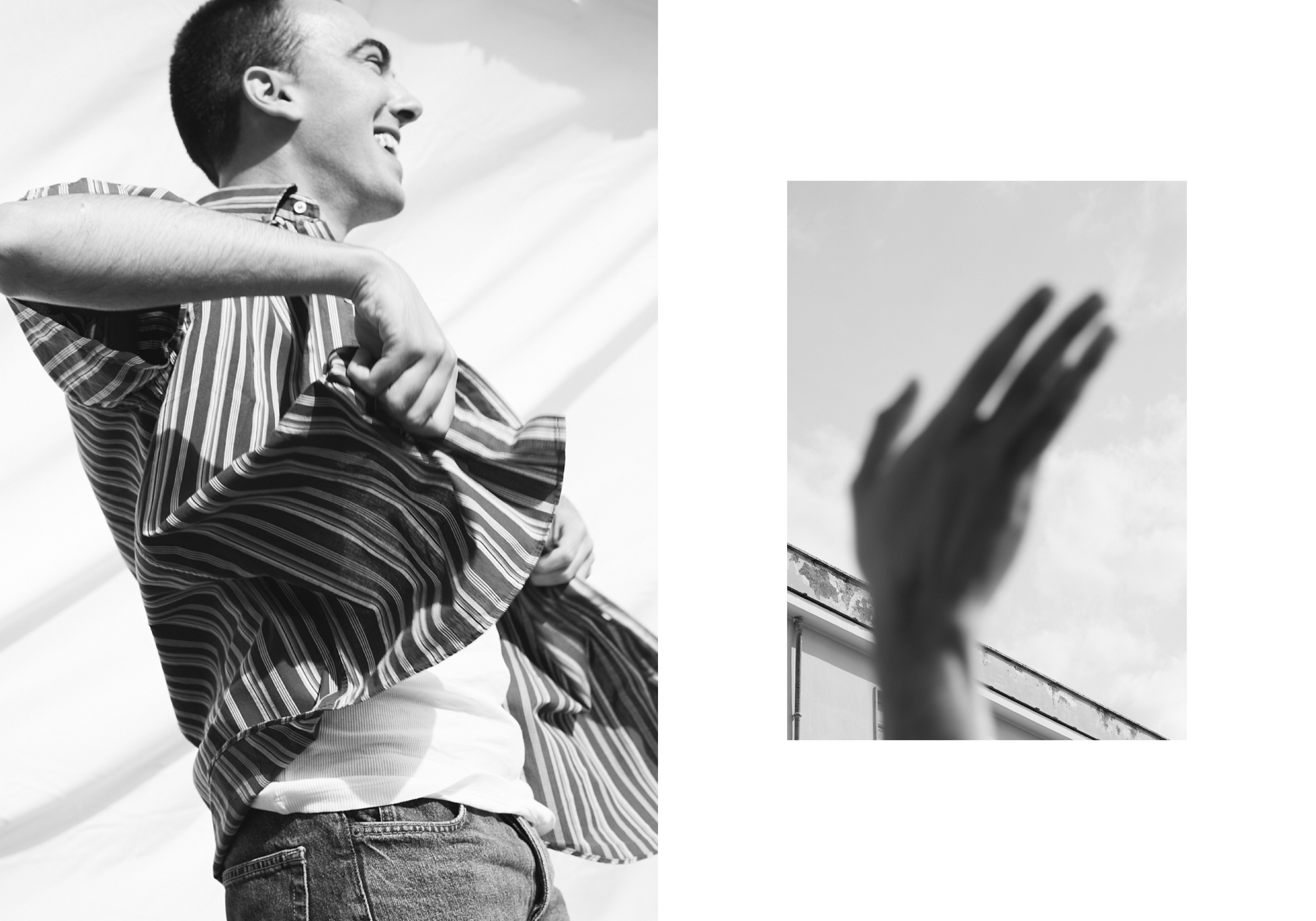
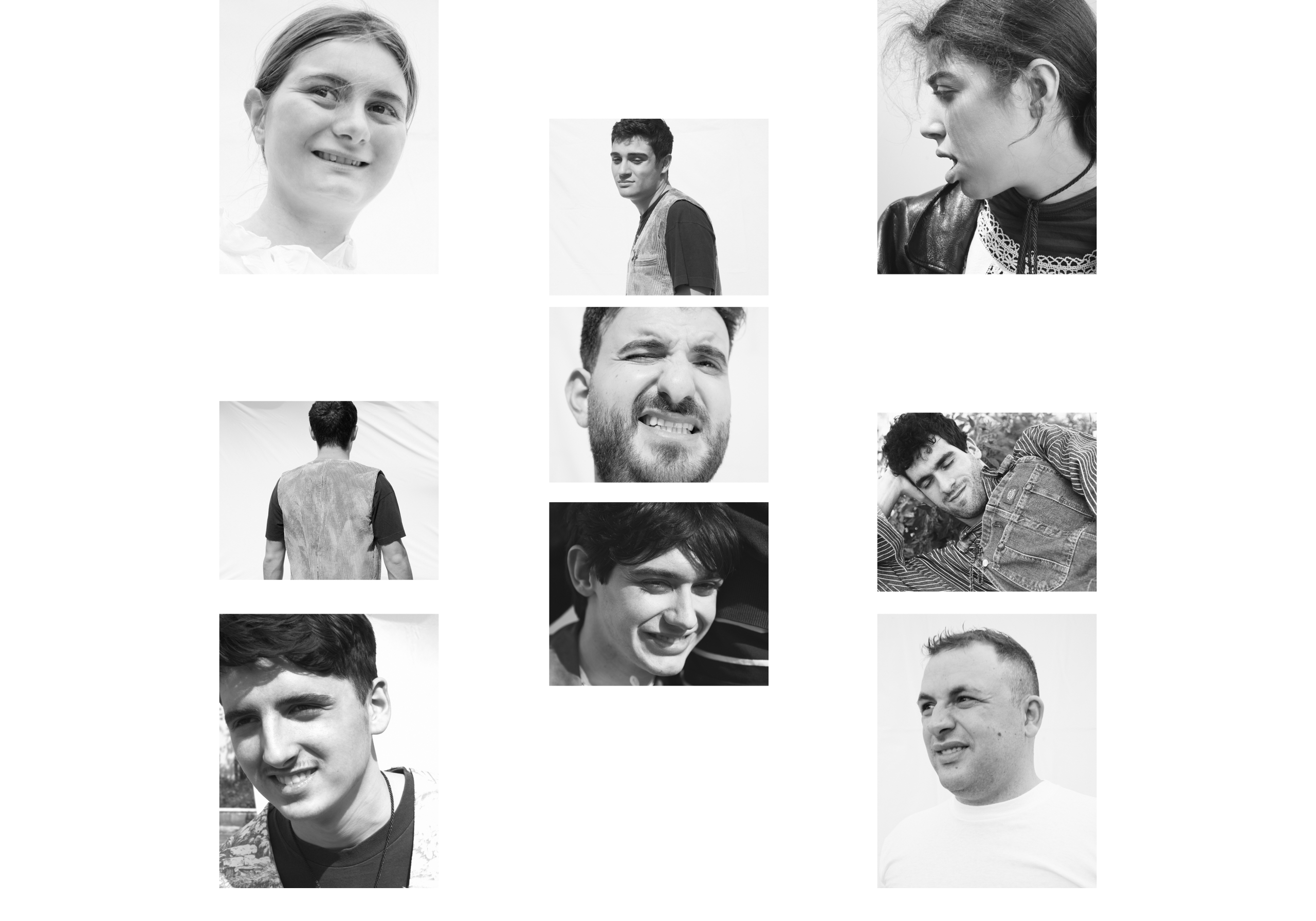
“Are you happy?” This is the question that has stitched together the work of the girls and boys, of Martin Mae, and of Giorgio Vella, who was responsible for the garments and accessories. This question stands at the heart of the project, because in Martin Mae’s work it merges with the word “respect.” Two words that become the sharp beams of light cutting through these photographs. Images that have made themselves visible precisely where the futile word “normality” turns into the unintelligible, into shadow. Epicurus believed that true happiness cannot exist without pleasure; that no human being makes choices except on the basis of the pleasure they bring, because pleasure is the natural state every living being seeks, while instinct and reason alike drive us to avoid pain. In this sense, the photographer’s gaze has cared for those who do not communicate happiness and pleasure according to a kind of pre-set template—what today has become the constant and futile pursuit of “happiness,” which leaves us more exhausted and alone than fulfilled. Before her lens, instead, are those who know how to express discomfort, pain, and unease with a world that suffocates without much regard. In the photographs, this becomes a stylistic choice: to embrace that communicative experience, “a relationship on different frequencies,” as Martin Mae calls it, which erodes the certainties imposed by many conventions: beauty, lightness, grace, and even seduction. Yet transforming such complexity into images was never meant to become a dramatic display. Rather, it turns nonconformity into a delicate spontaneity, even when that reading takes the shape of fragile architecture, of emptiness, an emptiness that is never absence, but instead points to beings who have chosen to be there. Then there are gazes and eyes that question even when they do not look at us; hands and bodies; elegant details that reveal a truly powerful humanity, far from any aestheticization, yet enveloped in a brightness that becomes a fitting embodiment, capable even of achieving the difficult task of becoming intimacy. Not everything is perfectly fine in these photographs, but when the collective flow of life becomes recognition, the erasure of conventions turns into a utopia that generates light, and light, as we know, is matter, solid matter that entirely constructs this project. And so the rails on which the photographs will hang become the place where it is the viewer who must hang up their own habits, perceptions, practices, and lifestyles—stripping away a burden that all the protagonists of this precious encounter tell us is, in fact, entirely unnecessary: a strange and unusable habitus. Fashion can be this, too.
Text Michela Becchis